
Friendswood Dethatching Lawn Services
Choose our dethatching lawn services for a healthier, greener yard—our experienced team removes built-up thatch to promote stronger roots, better water absorption, and a lush, vibrant lawn you’ll love.
Get a Free QuoteOur Friendswood Landscaping & Yard Care Services
When to Schedule Dethatching Lawn in Friendswood, Texas – Seasonal Guide
In Friendswood, Texas, the best time to schedule dethatching for your lawn is typically in late spring or early fall. These periods offer the most favorable conditions for grass recovery and growth, as the weather is warm but not excessively hot, and the risk of frost has passed. Friendswood’s climate, characterized by humid summers and mild winters, means that lawns—especially those in neighborhoods like West Ranch or near Stevenson Park—can accumulate thatch quickly due to dense St. Augustine and Bermuda grasses common in the area.
Local environmental factors play a significant role in determining the optimal dethatching schedule. For example, heavy shade from mature oaks in the Forest Bend area can slow down thatch decomposition, while clay-heavy soils found near Clear Creek may retain moisture and increase the risk of fungal issues if dethatching is done too late in the season. It’s also important to consider recent precipitation patterns and municipal guidelines, which can be found on the Friendswood city website, to ensure your lawn care aligns with local regulations.
Local Factors to Consider for Dethatching Lawn in Friendswood
- Tree density and shade coverage (e.g., mature oaks in Forest Bend)
- Soil type, especially clay-heavy or compacted soils near Clear Creek
- Recent precipitation and humidity levels
- Frost dates and risk of late cold snaps
- Drought risk during summer months
- Terrain and drainage patterns
- Municipal restrictions or watering schedules
Benefits of Dethatching Lawn in Friendswood
Improved Lawn Health
Enhanced Water Absorption
Boosted Grass Growth
Reduced Pest Problems
Increased Fertilizer Effectiveness
Professional Landscaping Expertise
Friendswood Dethatching Lawn Types

Bermuda Grass Dethatching
-
St. Augustine Grass Dethatching
-
Zoysia Grass Dethatching
-
Centipede Grass Dethatching
-
Fescue Grass Dethatching
-
Ryegrass Dethatching
-
Buffalo Grass Dethatching
Our Dethatching Lawn Process
Lawn Evaluation
Thatch Depth Measurement
Dethatching Equipment Setup
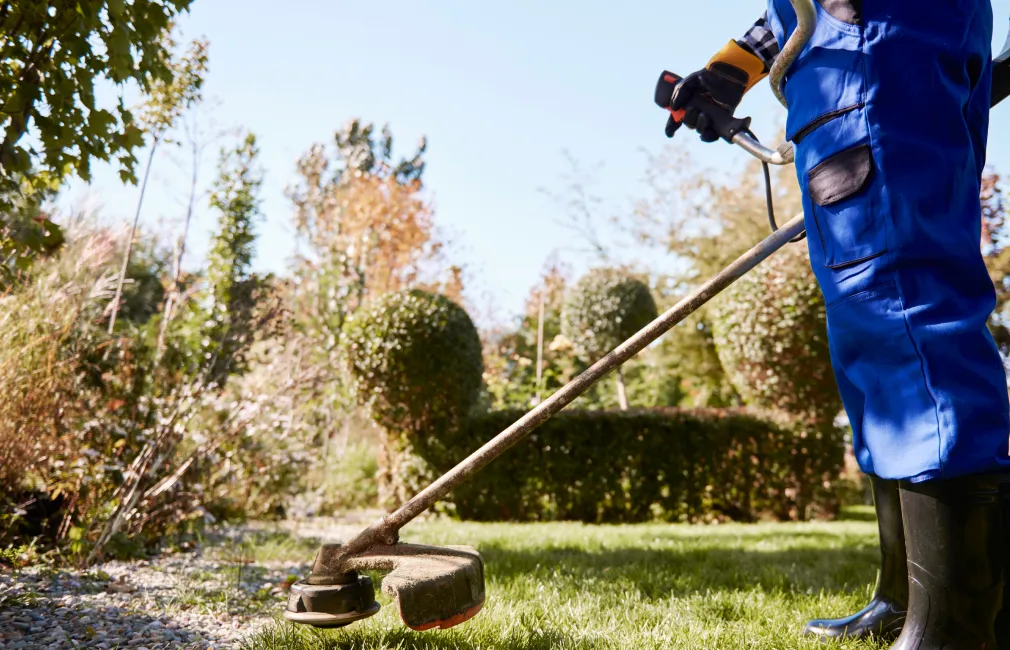
Thatch Removal
Cleanup and Disposal
Why Choose Friendswood Landscape Services
-
Friendswood Homeowners Trust Us
-
Expert Lawn Maintenance
-
Reliable Scheduling
-
Competitive Pricing
-
Professional Team
-
Satisfaction Guarantee
-
Personalized Service
Friendswood’s Blackland Prairie Soils and Dethatching Depth Recommendations
Friendswood’s predominant soils, including the Houston Black clay and related Vertisols, present unique challenges for lawn dethatching. These soils are characterized by high clay content, poor drainage, and a tendency to compact, which can exacerbate thatch buildup and restrict turfgrass root development. According to the USDA Web Soil Survey, local pH typically ranges from 7.5 to 8.2, and seasonal water tables may rise to within 18 inches of the surface. For effective dethatching, core removal should reach a depth of 2-3 inches, with multiple passes recommended for areas with visible compaction. Soil testing through Texas A&M AgriLife Extension is advised prior to dethatching to determine organic matter content and compaction severity.
- Core removal depth: 2-3 inches for clay soils
- Soil pH: 7.5-8.2 (alkaline)
- Soil test cost: $15-25 via extension service
- Dethatching frequency: Every 2-3 years for heavy clay lawns
Municipal Debris Collection and Dethatching Waste Disposal in Friendswood
Proper disposal of dethatching debris is regulated by Friendswood’s municipal waste management programs. Residents must adhere to the city’s yard waste collection schedule, which typically provides weekly curbside pickup every Thursday from April through November. Accepted materials include grass clippings, thatch, and brush under 4 feet in length, placed in biodegradable bags or reusable bins (32-gallon maximum). Plastic bags and branches over 4 inches in diameter are prohibited. Violations may result in fines under city ordinance. For large-scale dethatching projects, coordinate with the
Friendswood Public Works Department
910 S. Friendswood Dr., Friendswood, TX 77546
Phone: (281) 996-3380
Official Website: Friendswood Public Works Department
for guidance on bulk debris drop-off or special collection arrangements.
- Weekly pickup: Thursday, April–November
- Accepted: Biodegradable bags, bins ≤32 gallons
- Prohibited: Plastic bags, branches >4” diameter
- Fines: Up to $200 per violation (verify with city code)
Stormwater Compliance and Environmental Protections for Dethatching in Friendswood
Dethatching activities in Friendswood must comply with local and federal stormwater regulations to protect Clear Creek, Cowards Creek, and adjacent wetlands. The city operates under an MS4 permit as required by the Clean Water Act and enforced by the Texas Commission on Environmental Quality (TCEQ). It is prohibited to deposit dethatching debris, clippings, or soil into storm drains or within 25 feet of wetland boundaries. Buffer zones must be maintained, and all runoff should be directed away from water bodies. The EPA Region 6 office provides oversight for these requirements.
- Maintain 25-foot buffer from wetlands
- No debris in storm drains (MS4 compliance)
- Fines for violations: $250–$2,000 (per TCEQ regulations)
- Report illicit discharges to city or TCEQ
Seasonal Timing and Weather Considerations for Dethatching Lawns in Friendswood
Friendswood’s climate, classified as USDA Hardiness Zone 9a, features hot, humid summers and mild winters. Optimal dethatching windows are late March to early May and late September to mid-October, when soil temperatures range from 60°F to 75°F and turfgrass is actively growing. Avoid dethatching during peak summer (June–August) due to heat stress and in winter when grass is dormant. Monitor local weather forecasts through the National Weather Service Houston/Galveston Office to avoid scheduling during heavy rainfall, which can increase soil compaction and runoff risk.
- Spring window: March 20 – May 10 (soil 60–75°F)
- Fall window: September 15 – October 15
- Avoid: June–August (heat), December–February (dormancy)
- Check NWS for rainfall advisories
Equipment Operation Hours and Safety Standards for Dethatching in Friendswood
Operation of dethatching equipment in Friendswood is subject to municipal noise ordinances. Permitted hours are:
- Monday–Friday: 7:00 AM – 7:00 PM
- Saturday: 8:00 AM – 6:00 PM
- Sunday and holidays: Prohibited All commercial operators must use equipment with functioning mufflers and maintain noise levels below 85 decibels at property lines. Safety protocols require the use of ANSI Z87.1 safety glasses, hearing protection for noise above 85 dB, steel-toed boots, and gloves. Maintain a 15-foot clearance from overhead utilities and public sidewalks. For work near public rights-of-way, coordinate with the
Friendswood Code Enforcement Department
910 S. Friendswood Dr., Friendswood, TX 77546
Phone: (281) 996-3200
Official Website: Friendswood Code Enforcement Department
for compliance guidance.
- Equipment hours: M–F 7AM–7PM, Sat 8AM–6PM
- PPE: Safety glasses, hearing protection, steel-toed boots, gloves
- Noise limit: 85 dB at property line
- Clearance: 15 feet from utilities
What Neighborhoods Do We Serve Throughout Friendswood, TX?
- West Ranch: Features newer developments with engineered drainage and moderate clay soils, requiring careful dethatching to prevent compaction and runoff into stormwater systems.
- Forest Bend: Older neighborhood with mature trees and heavy shade, leading to increased thatch accumulation and slower turf recovery after dethatching.
- Eagle Lakes: Proximity to Clear Creek floodplain necessitates strict adherence to buffer zones and stormwater compliance during dethatching operations.
- Heritage Park: Dense residential lots with compacted soils and limited access, making equipment selection and timing critical for effective dethatching.
- Wedgewood Village: Characterized by expansive lawns and variable soil drainage, requiring customized dethatching depth and frequency.
- Autumn Creek: Newer subdivision with HOA landscaping standards and irrigation systems, demanding coordination for debris disposal and compliance with community guidelines.
- Friendswood Lakes: Large lots near conservation areas, where environmental protections and wetland buffers are especially important during dethatching projects.